Bay Area Roof Maintenance Series
This article is part of the Meier & Sons Roofing Bay Area Roof Maintenance Series. Each month we publish practical homeowner guides covering common roofing problems, seasonal maintenance, roof inspections, repairs, and ways to help Bay Area homeowners protect one of their home’s most valuable investments.
This month’s guide focuses on pigeons and roof damage — a problem we see often across Concord, Walnut Creek, Pleasant Hill, and the surrounding Bay Area.
Introduction
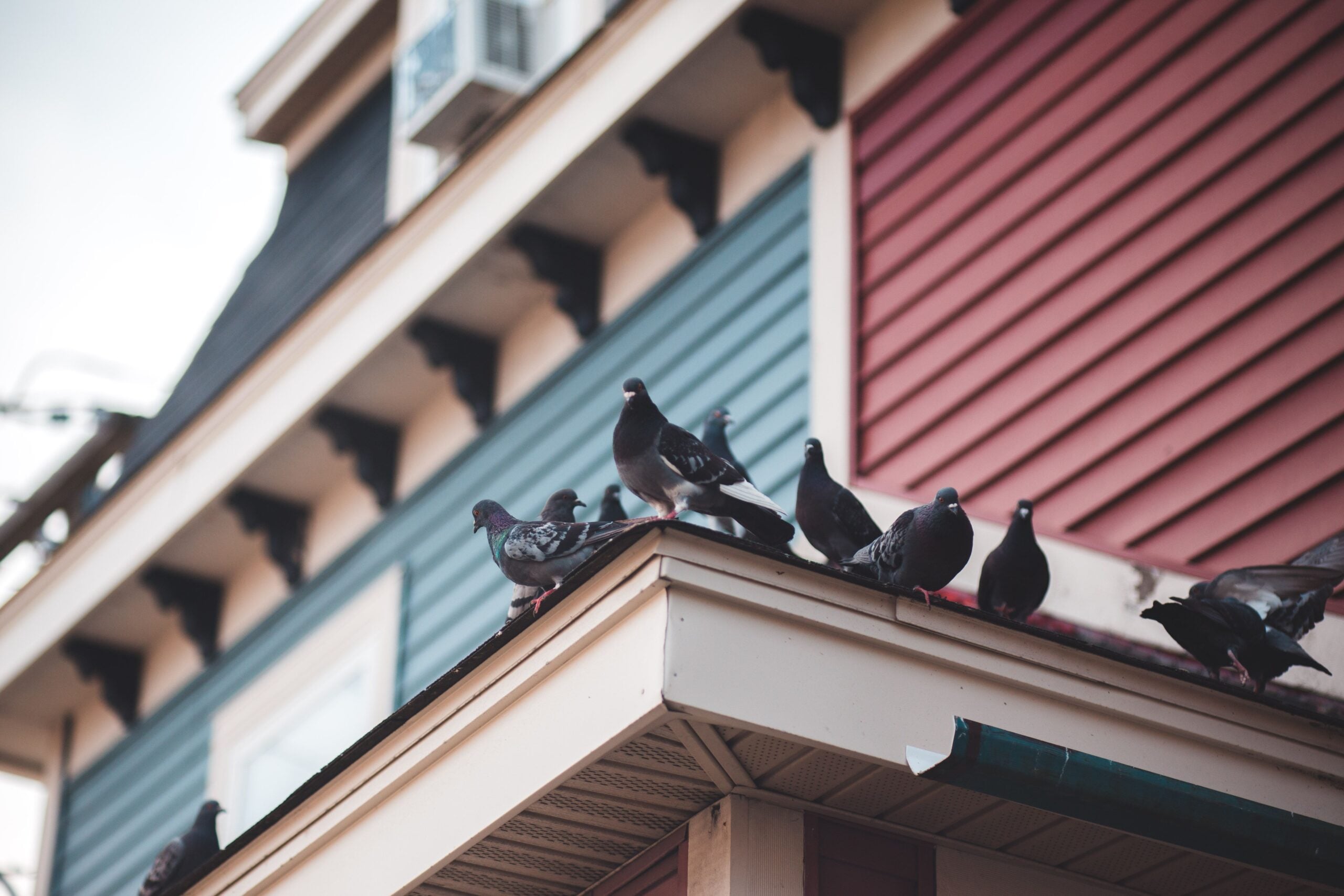
If you’ve noticed pigeons gathering along your roofline, roosting near your chimney, or tucking themselves under your solar panels, you’re dealing with one of the more common — and often underestimated — roofing issues Bay Area homeowners face. What looks like a minor nuisance can, over time, turn into real damage to your shingles, gutters, and flashing.
For most homeowners, the real question isn’t just how to get rid of pigeons on your roof once they’ve arrived — it’s how to keep pigeons off the roof for good, before droppings, nesting debris, and moisture find their way into places they shouldn’t.
It’s worth noting upfront: Meier & Sons Roofing is a roofing company, not a pest control provider. If pigeons are actively nesting on your property, a licensed bird or pest control professional is the right first call for humane removal. Once the birds are gone, our team can step in to inspect the roof, identify any damage, and make the repairs needed to protect your home going forward.
Why Pigeons Choose Roofs
Pigeons are creatures of habit, and roofs offer nearly everything they look for in a home base. Elevated surfaces give them a clear view of their surroundings and protection from ground-level predators. Roof valleys, chimneys, and vents create sheltered nooks that shield birds from wind and rain, and dark asphalt shingles absorb heat during the day, making them a warm, comfortable place to rest.
The Bay Area’s mild, largely dry climate makes this an especially persistent issue. Unlike regions with harsh winters, pigeons here don’t need to migrate, so a roof that becomes a favored roosting spot in Concord or Martinez can stay active year-round. Neighborhoods with mature tree canopies, common throughout Walnut Creek, Lafayette, and Orinda, make it even easier for pigeons to move between trees and rooftops undetected.
Gutters are another common draw. They offer a flat, protected ledge close to a reliable water source, especially during the rainy season. Once a pigeon or two finds a roof that meets these needs, more tend to follow — pigeons are social birds, and what starts as one or two visitors can turn into a larger colony within a matter of weeks.
Solar panel installations have added a new wrinkle to this pattern. The gap between a solar panel and the roof surface is typically just a few inches — shaded, sheltered, and difficult for homeowners to inspect without climbing onto the roof themselves. This makes solar arrays one of the more common nesting spots on newer Bay Area homes.
Other roofing materials, such as clay or concrete tile, can attract pigeons too — but for the majority of Bay Area homes, asphalt shingle roofing, gutters, flashing, and solar installations are the areas that need the most attention.
Common Roof Damage Caused by Pigeons
Pigeon droppings are acidic, and over time, that acidity can wear down roofing materials. On an asphalt shingle roof, this can show up as accelerated granule loss, which shortens the effective lifespan of the shingles and reduces their ability to protect the roof deck underneath.
Damage typically shows up in a few key areas:
- Roof deterioration: Prolonged exposure to droppings can break down shingle granules and soften asphalt over time, especially in areas where birds consistently roost.
- Blocked gutters: Nesting material, feathers, and droppings frequently wash into gutters, mixing with leaves and debris to create clogs that prevent proper drainage.
- Water intrusion: Nesting debris can work its way under shingles or around flashing, creating small gaps where water can enter during Bay Area storms.
- Flashing damage: The metal flashing around chimneys and vents is especially vulnerable to corrosion from acidic droppings, which can compromise the seal that keeps water out.
- Roof vents: Vents are a common nesting spot, and blocked or damaged vents can affect attic ventilation, which plays a role in the long-term health of the entire roofing system.
- Roof maintenance issues: Ongoing pigeon activity makes routine maintenance more difficult, since debris buildup can hide developing problems until they become more serious.
Health Concerns
Beyond the roof itself, pigeon droppings can pose health risks for the household. Dried droppings can become airborne and, in rare cases, have been associated with respiratory conditions. Nesting debris can also attract mites, ticks, and other pests. For homes with young children, elderly family members, or anyone with respiratory sensitivities, addressing an active roost sooner rather than later is worth prioritizing.
5 Signs Pigeons May Be Damaging Your Roof
You don’t need to see a flock of birds to know there’s a problem. Keep an eye out for these warning signs:
- ✅ Large amounts of droppings near vents, chimneys, or roof edges
- ✅ Cooing or scratching sounds in the attic, especially early in the morning
- ✅ Feathers or nesting material in gutters or on the ground near downspouts
- ✅ Birds disappearing under solar panels or along roof edges
- ✅ Water stains appearing after rain, which may signal nesting debris has already created an entry point for moisture
If any of these sound familiar, a professional visual roof inspection is the best way to understand the visible condition of the affected areas.
How to Remove Pigeons Safely
Because pigeons and their nests may be protected under certain circumstances, removal should always be handled humanely — and ideally by a licensed bird or pest control professional who understands the applicable regulations. Once birds have been safely relocated, the focus shifts to protecting the roof from a repeat problem.
Bird Spikes
Bird spikes are one of the most common and effective deterrents. Installed along roof ridges, ledges, and other flat perching areas, they make landing uncomfortable for pigeons without causing harm. Spikes are a low-profile, long-lasting option that works well on most residential roofs, including asphalt shingle and tile. Installation is typically handled by a bird exclusion or pest control specialist, not a roofing contractor.
Bird Netting
For larger areas — such as under solar panels, around chimneys, or across wide roof sections — bird netting is often the more effective choice. Netting physically blocks access altogether, preventing nesting before it starts rather than simply discouraging perching. As with spikes, netting installation is a job for a qualified bird exclusion specialist.
Solar Panel Barriers
Solar panel bird barriers are mesh or wire guards installed around the perimeter of a solar array. They close off the gap between the panels and the roof surface, removing the sheltered space pigeons are looking for. Given the growing number of solar installations throughout Concord, Walnut Creek, and Danville, this has become an increasingly common need among homeowners in those areas. Because barrier installation involves working around the solar array itself, it’s often best coordinated between a bird exclusion specialist and a roofer, so the roof and the panels are both accounted for.
Roof Cleaning
Once pigeons have been present for a while, a thorough roof cleaning is usually the next step. This removes accumulated droppings and nesting debris that could otherwise continue to damage roofing materials, even after the birds themselves are gone.
Bird removal, spikes, netting, and barrier installation are typically handled by a licensed pest control or bird abatement specialist. Meier & Sons Roofing’s role comes in afterward: visually inspecting the roof for damage caused by the activity and making any necessary repairs.
Preventing Pigeons From Returning
Once a pigeon problem has been addressed, prevention is what keeps it from repeating. A few practical habits go a long way:
- Keep gutters clean and free of nesting debris, particularly before the rainy season hits Bay Area homes
- Trim back overhanging tree branches that give pigeons easy roof access, especially in leafier neighborhoods like Danville and Alamo
- Avoid leaving pet food or bird feeders near the roofline
- Schedule periodic visual roof inspections, especially after storms or before the rainy season
- Address small shingle or flashing gaps promptly, before they become nesting spots
When Roof Repairs Become Necessary
In many cases, pigeon activity has already caused damage that needs attention before the roof is fully protected again. This might include:
- Replacing damaged or granule-worn shingles
- Resealing flashing around chimneys and vents
- Repairing or replacing damaged gutter sections
- Addressing any exposed roof decking affected by moisture
Skipping repairs and hoping bird-proofing alone will solve the problem is a common mistake. A professional visual assessment can help identify visible damage so we can discuss the appropriate repair options with you.
Who Should You Call?
Pigeon problems usually involve more than one type of professional, and it helps to know which one handles which part of the issue:
| Problem | Recommended Professional |
|---|---|
| Birds nesting | Bird/Pest Control Specialist |
| Bird-proofing (spikes, netting) | Bird Exclusion Specialist |
| Roof leaking | Meier & Sons Roofing |
| Roof damage after birds | Meier & Sons Roofing |
| Clogged gutters from nesting | Roofing or Gutter Professional |
| Solar panel nesting | Bird Exclusion Specialist + Roofer |
If pigeons are actively nesting or roosting on your property, the first call should go to a licensed bird or pest control professional, who can safely and humanely handle removal in compliance with applicable regulations.
Once the birds have been removed, that’s when a roofing professional comes in. Meier & Sons Roofing can visually inspect the affected areas of your roof, identify visible damage caused by droppings, nesting debris, or prolonged activity, and verbally discuss the right repair options to restore your roof’s protection. We do not handle bird removal ourselves, but we regularly work with homeowners after removal has taken place — or alongside a bird exclusion specialist — to make sure the roof itself is sound.
Bay Area Homeowner Considerations
A few local factors make pigeon-related roof issues particularly relevant for Bay Area homeowners:
- Mild climate: The Bay Area’s generally mild weather allows pigeons to roost year-round, rather than migrating seasonally as they might in harsher climates.
- Mature trees: Many neighborhoods in Walnut Creek, Lafayette, Orinda, and Alamo feature mature tree canopies that make roof access easy for pigeons and other birds.
- Growing solar adoption: As more homes throughout Pleasant Hill, Martinez, and the greater Bay Area add rooftop solar, the number of sheltered nesting spots beneath panels has increased as well.
- Seasonal inspections: Scheduling a visual roof inspection before the rainy season is one of the most effective ways to catch pigeon-related damage before it leads to leaks.
Roof Maintenance Tips
Even homes without an active pigeon problem benefit from routine roof care. A few habits worth building into your yearly routine:
- Schedule a visual roof inspection at least once a year, ideally before the rainy season
- Clean gutters twice a year, or more often if there’s heavy tree coverage nearby
- Check for loose, worn, or missing shingles after major storms
- Look under solar panels periodically for debris or signs of nesting activity
- Address small issues early, before they turn into larger, more expensive repairs
Consistent maintenance is almost always less costly than reactive repairs, and it makes it far easier to catch a pigeon-related issue before it grows.
Conclusion
Pigeons on your roof might seem like a minor nuisance at first, but left unaddressed, the long-term effects — acidic droppings, clogged gutters, and hidden entry points for water — can add up to real damage. If pigeons have been active on your roof or around your solar panels, the right approach is a two-step one: humane removal by a licensed bird or pest control professional, followed by a thorough visual roof inspection to catch and repair any damage before it grows.
If you suspect pigeon activity has affected your roof, don’t wait for a small issue to become a bigger repair. A professional visual roof inspection now can help identify visible issues early, so we can discuss any recommended repairs with you before the problem becomes more costly.
Frequently Asked Questions
Does Meier & Sons Roofing remove pigeons or nests?
No. Meier & Sons Roofing is a roofing company, not a pest control provider. We recommend contacting a licensed bird or pest control professional for humane removal. Once the birds are gone, our team can visually inspect your roof and repair any resulting damage.
Why do pigeons keep coming back to my roof?
Pigeons are creatures of habit and tend to return to spots that have worked well for them before. If your roof offers shelter, warmth, or an easy perch, they’ll keep coming back until those conditions change, typically after removal and the installation of deterrents like spikes or netting.
How do I know if pigeons have damaged my roof?
Common signs include worn or lifted shingles, water stains on ceilings, droppings buildup, and unusual sounds coming from the attic or roofline. A professional visual roof inspection is the most reliable way to identify visible damage and discuss the next steps.
Do bird spikes hurt pigeons?
No. Bird spikes are designed to make perching uncomfortable, not to cause harm. They’re a widely used, humane deterrent that removes the appeal of a landing spot.
Why are pigeons especially drawn to solar panels?
The gap between a solar panel and the roof surface is shaded, sheltered from weather, and difficult to inspect without climbing onto the roof, making it an ideal nesting spot.
Do pigeons only nest on tile roofs?
No. While tile roofs can attract pigeons due to gaps created by their curved shape, asphalt shingle roofs are just as common a nesting site, particularly around vents, chimneys, roof valleys, and gutters.
How often should I have my roof inspected if I’ve had a pigeon problem?
Once a pigeon issue has been resolved and any necessary repairs made, an annual visual inspection is generally sufficient, unless you notice new signs of activity.
Can pigeon droppings actually shorten the life of my roof?
Yes. Acidic droppings can gradually break down shingle granules and other roofing materials, which can shorten the effective lifespan of the roof if left unaddressed.
What should I do first if I notice pigeons nesting on my roof?
Contact a licensed bird or pest control professional for humane removal. Once the birds are gone, schedule a visual roof inspection to check for visible damage and discuss any needed repairs.
How much does a roof inspection cost?
Meier & Sons Roofing offers free visual roof inspections for homeowners throughout the Bay Area, making it an easy first step if you suspect pigeon-related damage. We evaluate the roof visually and verbally discuss what we see with you.
More Bay Area Roofing Tips from Meier & Sons Roofing
This guide is part of our continuing homeowner education series. Additional roofing guides will be added over the coming months, covering the topics below in more depth.
- When Roof Repairs Become Necessary
- Bay Area Roof Maintenance Tips
- How Long Does an Asphalt Shingle Roof Last?
- Signs You Need a Professional Roof Inspection
- Can Birds Damage Solar Panels?
- Preparing Your Roof for the Rainy Season
Check back soon as we continue expanding our Bay Area Roof Maintenance Series.
Schedule a Free Roof Inspection
If pigeons have caused roof damage, clogged your gutters, damaged flashing, or taken up residence beneath your solar panels, it’s worth having a professional take a look before those issues grow into something more expensive. Meier & Sons Roofing offers free visual roof inspections for homeowners throughout Concord, Walnut Creek, Pleasant Hill, Martinez, Lafayette, Orinda, Danville, and Alamo. We will visually inspect the roof, evaluate any visible concerns, point out what pigeon activity may have affected, and verbally discuss what — if anything — needs to be repaired.
Schedule Your Free Roof Inspection
About Meier & Sons Roofing
Meier & Sons Roofing is a family-owned roofing company that has served Bay Area homeowners and businesses for more than 30 years. We specialize in residential asphalt shingle roofing and commercial modified bitumen roofing, with deep experience diagnosing and repairing roof damage caused by bird activity, clogged gutters, flashing failures, and water intrusion.
We proudly serve Concord, Walnut Creek, Pleasant Hill, Martinez, Lafayette, Orinda, Danville, Alamo, and the surrounding Bay Area communities. Meier & Sons Roofing is a licensed contractor (CSLB License #724093) and a BBB Accredited Business.
Every homeowner we work with receives a free visual roof inspection, a clear verbal explanation of what we see, and straightforward repair recommendations when needed — no pressure, no upselling. Our goal is to help you understand the visible condition of your roof and make informed decisions about maintaining it for years to come.